Introduction
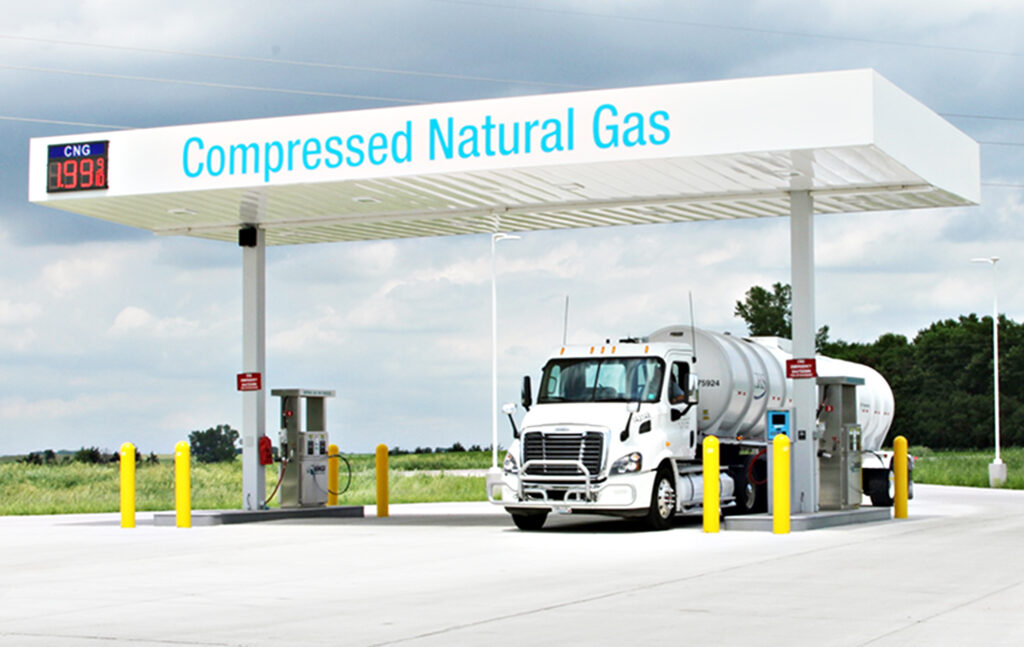
Compressed Natural Gas (CNG) is a cleaner and more economical alternative to traditional fuels like petrol and diesel. It is primarily composed of methane and is stored at high pressure, making it an efficient and environmentally friendly fuel option. As the demand for cleaner and more efficient energy sources increases, CNG has emerged as a viable alternative, especially in Nigeria.
What is CNG?
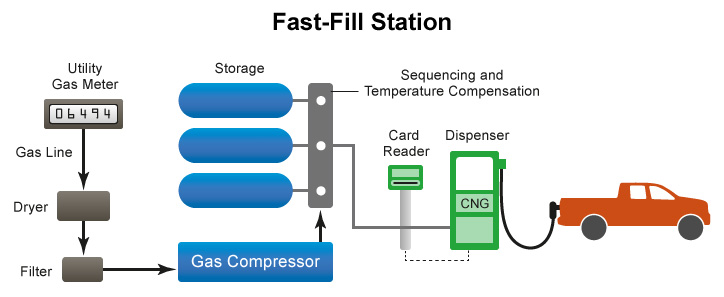
CNG is natural gas that has been compressed to less than 1% of its volume at standard atmospheric pressure. It is stored and distributed in high-pressure containers, typically cylindrical or spherical in shape. CNG is used as an alternative fuel for vehicles, replacing petrol, diesel, and liquefied petroleum gas (LPG).
Benefits of CNG
- Environmental Benefits: CNG produces fewer undesirable gases compared to petrol and diesel, making it an environmentally friendlier option.
- Cost-Effective: CNG is generally cheaper than traditional fuels, offering significant cost savings.
- Safety: In case of a leak, CNG disperses quickly as it is lighter than air, reducing the risk of fire or explosion.
- Versatility: CNG can be used in modified petrol engines or in vehicles specifically designed for CNG use.
Applications of CNG
- Transportation: Widely used in auto rickshaws, buses, trucks, and even trains.
- Environmental Benefits: Reduces greenhouse gas emissions and air pollutants.
- Energy Security: Reduces dependence on imported oil by utilizing domestically produced natural gas.
10 Uses of Compressed Natural Gas in Nigeria
- Public Transportation: CNG is widely used in public transport systems across Nigeria. Many city buses and taxis have transitioned to CNG to reduce emissions and operating costs. This shift not only lowers pollution levels but also provides commuters with a more sustainable mode of transportation.
- Industrial Fuel: Many industries utilize CNG as a primary fuel source for their operations. It powers equipment, boilers, and generators, contributing to reduced carbon emissions while maintaining efficiency. CNG’s cost-effectiveness makes it an attractive choice for manufacturers.
- Electricity Generation: CNG is increasingly being used to generate electricity in power plants. By using natural gas as a fuel source, power plants can produce electricity more cleanly and efficiently compared to coal or oil, supporting Nigeria’s growing energy needs.
- Residential Heating: In urban areas, CNG can be piped directly into homes for heating and cooking. This provides a cleaner alternative to firewood or kerosene, improving indoor air quality and reducing health risks associated with traditional fuels.
- Cooking Fuel: CNG is gaining popularity as a cooking fuel in households and restaurants. It burns cleaner than liquefied petroleum gas (LPG) and reduces the risk of carbon monoxide poisoning, making it a safer option for food preparation.
- Manufacturing Processes: Various manufacturing sectors, including ceramics and glass, use CNG as a fuel source in their production processes. Its high efficiency and lower emissions make it ideal for these industries, helping them meet environmental standards.
- Transportation of Goods: CNG-fueled vehicles are increasingly being used by logistics and transportation companies. Utilizing CNG for freight vehicles reduces fuel costs and emissions, making it an appealing choice for businesses looking to enhance sustainability.
- Mining Operations: The mining sector in Nigeria is beginning to adopt CNG for machinery and equipment operations. Its efficiency and lower environmental impact make it suitable for heavy-duty applications in challenging conditions.
- Agricultural Equipment: CNG can power various agricultural equipment, such as tractors and irrigation pumps. This helps farmers lower their fuel costs while contributing to sustainable agricultural practices.
- Powering Gas-Fueled Vehicles: CNG is increasingly used in the automotive sector, with more manufacturers producing vehicles that run on natural gas. This shift not only supports the automotive industry’s diversification but also promotes cleaner transportation options in Nigeria.
Challenges
- Infrastructure: High initial costs for setting up CNG fueling stations and storage tanks.
- Adoption: Limited availability and awareness in some regions.
Conclusion
CNG is gaining popularity as a sustainable and cost-effective alternative fuel, contributing to cleaner transportation and energy security. As Nigeria continues to explore sustainable energy sources, Compressed Natural Gas is proving to be a versatile and environmentally friendly option. Its applications range from public transportation to industrial use, and its benefits extend beyond cost savings to improving air quality. For businesses and consumers seeking a reliable CNG gas distributor in Nigeria, the transition to CNG offers a pathway to a cleaner and more efficient energy future.